This past weekend, during the elimination rounds of a major high-school debate tournament, I witnessed something remarkable — an unmistakable moment of young people using debate to speak truth to power.
Our students were debating a team from Bronx Science. The opposing side presented a long list of arguments, including one proposing that “the states” should take a series of political actions — but the proposal did not include Washington, DC.
Our students immediately recognized this as more than a technical oversight. They argued that leaving DC out continues a long history of ignoring and erasing the people who live here — especially in a majority-minority city whose residents still lack full political representation.
As the round continued, the other team spent most of their time on a theoretical argument about racism in education. Realizing that they were behind on that point, our students made a bold strategic choice: they shifted the round to focus entirely on DC’s lived experience with disenfranchisement.
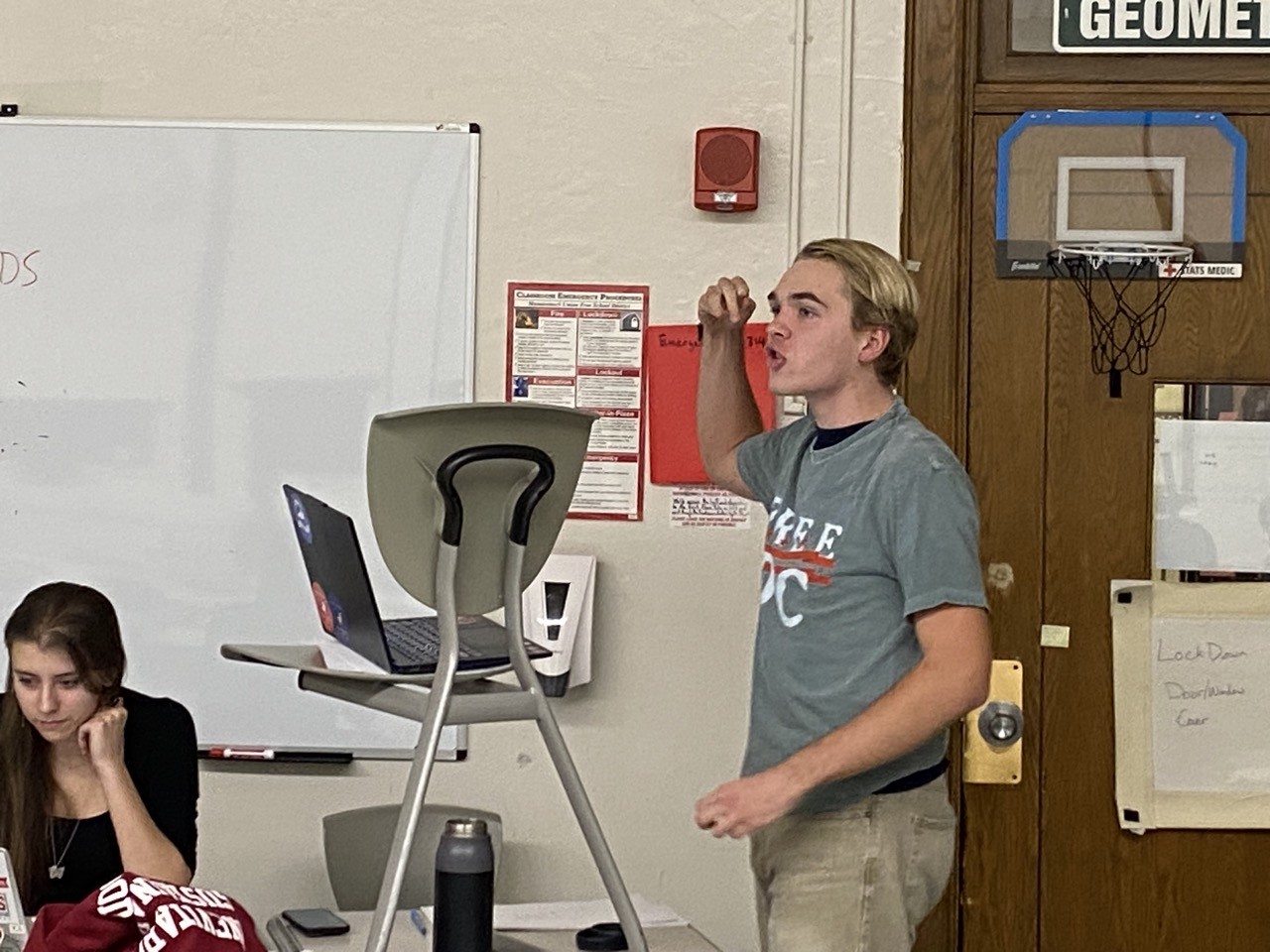
One of our debaters delivered an intensely personal speech. He described the daily realities DC students face — from police interactions over trivial matters to military surveillance in majority-Black neighborhoods — and explained that treating these conditions as irrelevant to “national circuit debate” was itself a form of erasure. Then, in the middle of his speech, he paused, put on a “Free DC” shirt, and said:
“Debaters only change when they feel the consequences. If people don’t learn about DC’s oppression unless they lose the round, then the only way to get them to open a textbook or confront our reality is to give them the loss. If you don’t, you’re just another outsider telling us our history doesn’t matter.”
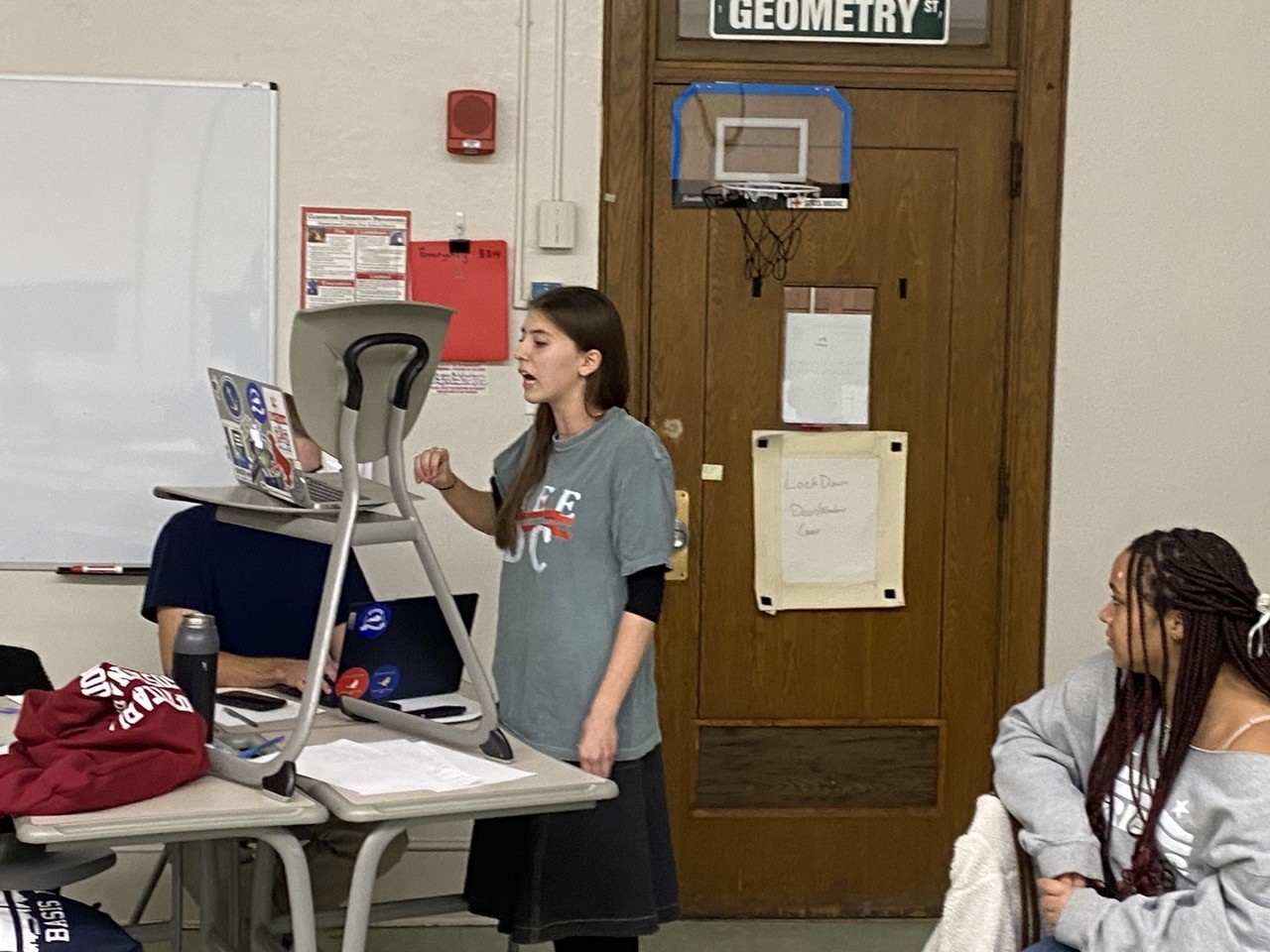
The final speaker continued the theme, telling the judge:
“For DC students, it is not ‘business as usual.’ Ignoring the ongoing control of our city — and the violence and surveillance in our daily lives — is not neutral. You have an ethical obligation to vote for us, to affirm our joyful act of resistance, and to reject treating this space as one where DC voices don’t count.”
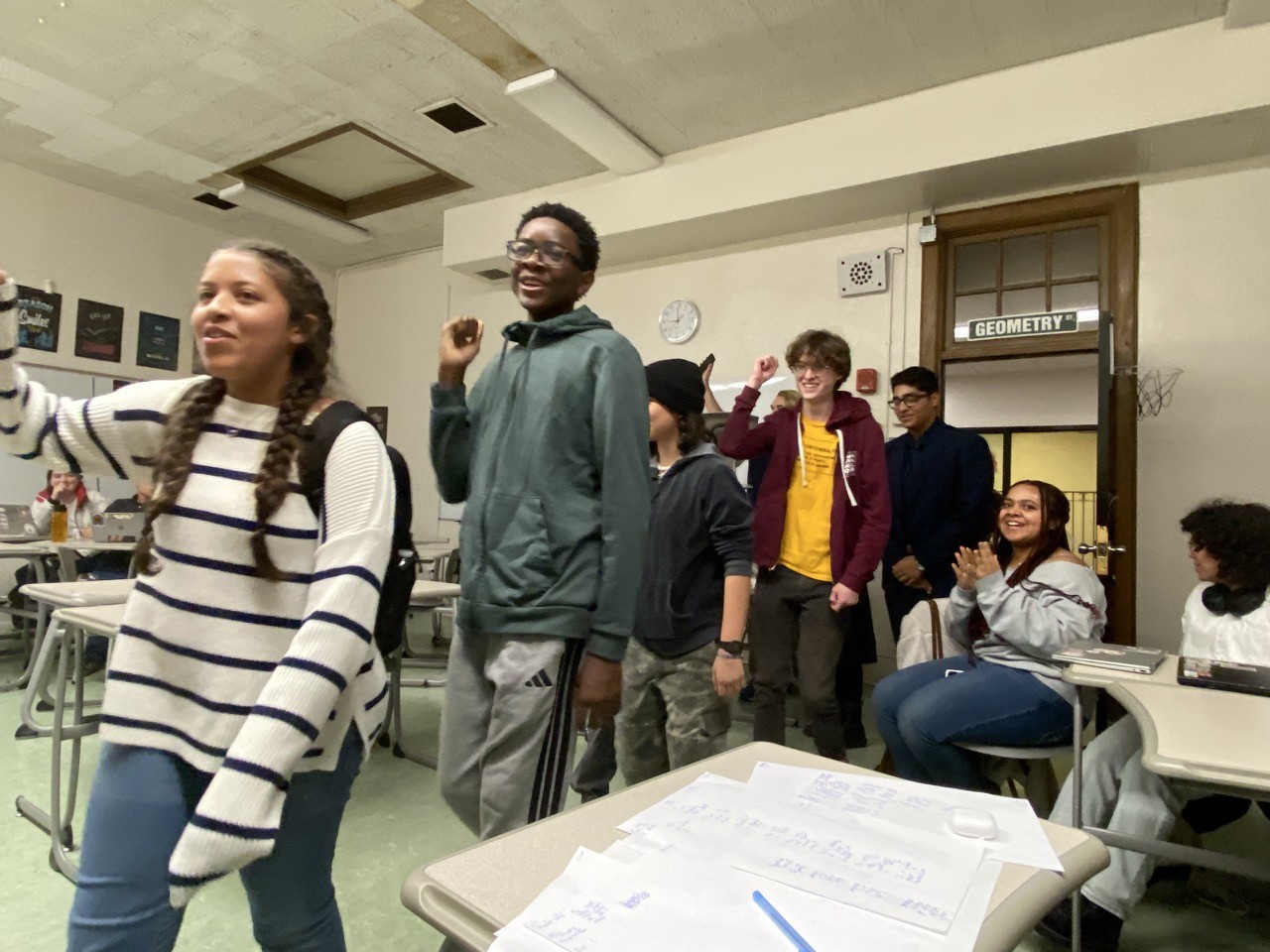
At that moment, about fifteen other students from the Washington Urban Debate League, organized by our debaters, quietly entered the room chanting “FREE DC” for thirty seconds before leaving. They called it “joyous noncompliance” — a celebration of reclaiming space in an elite environment where their lived experience is too often invisible.
The judges issued a 2–1 decision in favor of our students.
I was incredibly proud. Not just because they won, but because they transformed a competitive round into a moment of civic expression — insisting that debate reflect the communities we come from, not just abstract arguments on paper. Debate, at its best, teaches the core skill that successful social movements rely on — the ability to take scattered frustrations and turn them into a coherent, morally persuasive story that can shift how a society understands a problem.
– McAlister Clabaugh
WUDL Staff